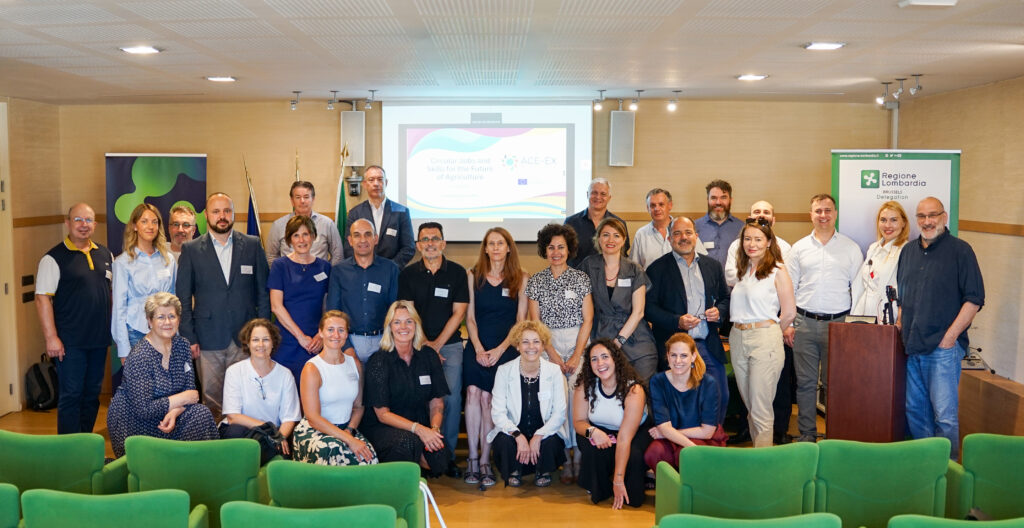
Brussels, 22 June 2026 – Stakeholders from across Europe gathered at the Delegation of the Lombardy Region to the European Union in Brussels for the ACE-EX Final Event, “Circular Jobs and Skills for the Future of Agriculture”. The event marked the conclusion of the three-year Erasmus+ project while opening an important discussion on how skills, innovation and policy can support the transition towards a more competitive, circular and resilient European agri-food sector.
The event provided an opportunity to present the project’s achievements and reflect on the future competences needed to accompany one of Europe’s most significant economic and environmental transformations.
The morning session focused on the results delivered by the ACE-EX consortium over the past three years. Participants were presented with the project’s comprehensive training ecosystem, including multilingual e-learning modules, a practical handbook, immersive virtual reality experiences and other digital learning resources designed to strengthen vocational education in circular agriculture.
The project successfully engaged more than 1,400 participants during its pilot phase, generating valuable feedback that allowed the consortium to further refine the training materials before the project’s conclusion. The evaluation confirmed the importance of combining technical knowledge with transversal competences such as leadership, entrepreneurship, innovation, sustainability and digital skills, while demonstrating the potential of immersive learning technologies to enhance vocational education.
The first policy discussion explored how climate change, digitalisation, demographic change and the circular economy are fundamentally reshaping Europe’s agricultural sector. Participants agreed that future professionals will require increasingly hybrid skillsets, combining technical expertise with digital literacy, data management, business development, sustainability knowledge and innovation capacity.
Throughout the discussion, a recurring message emerged: the agricultural professional of tomorrow will no longer be defined solely by production activities but will increasingly operate within integrated value chains, applying new technologies, managing data, embracing circular business models and responding to rapidly evolving market demands. This transformation requires continuous investment in education, lifelong learning and knowledge transfer, ensuring that innovation reaches farmers, workers and rural communities across Europe.
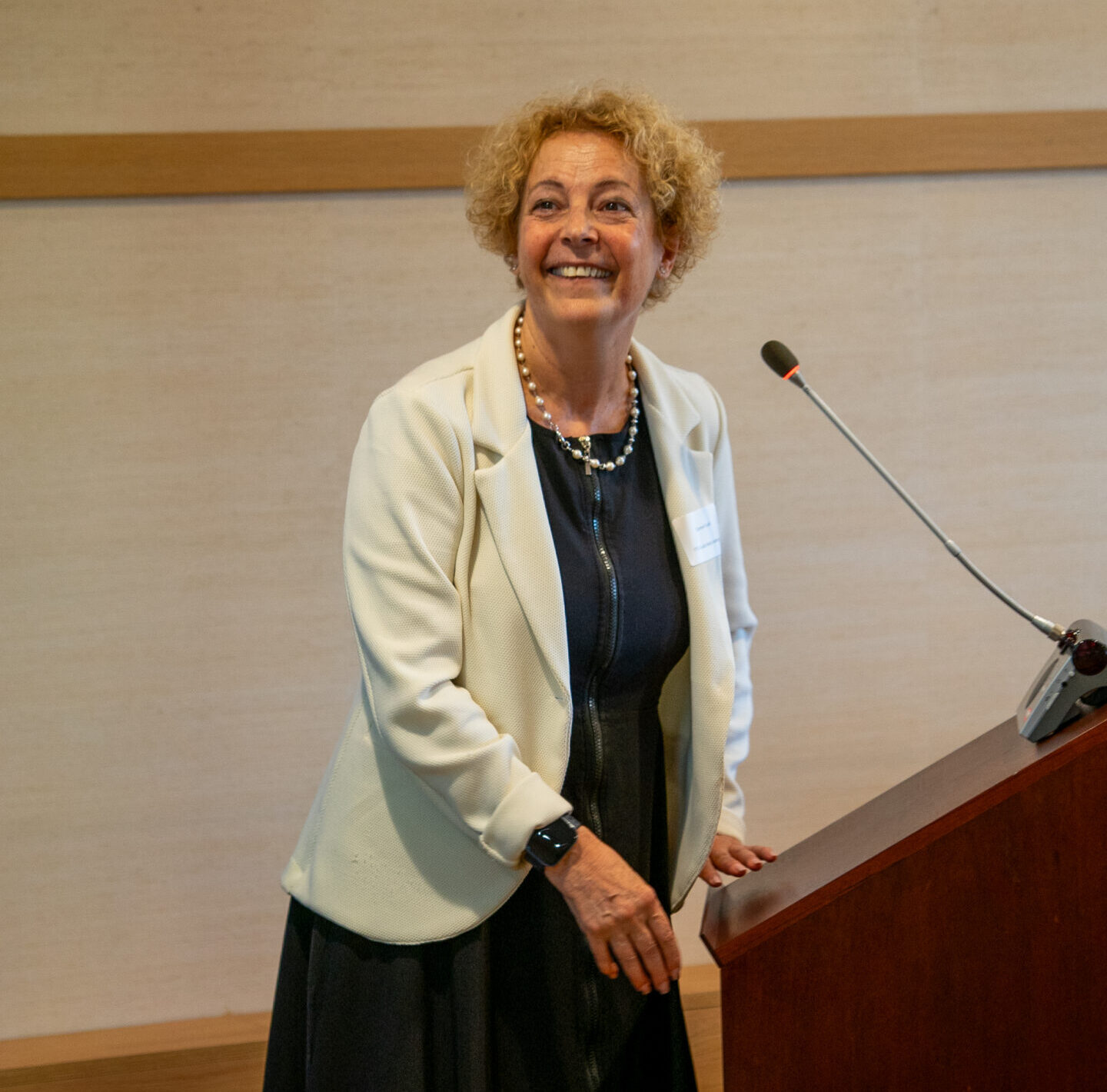
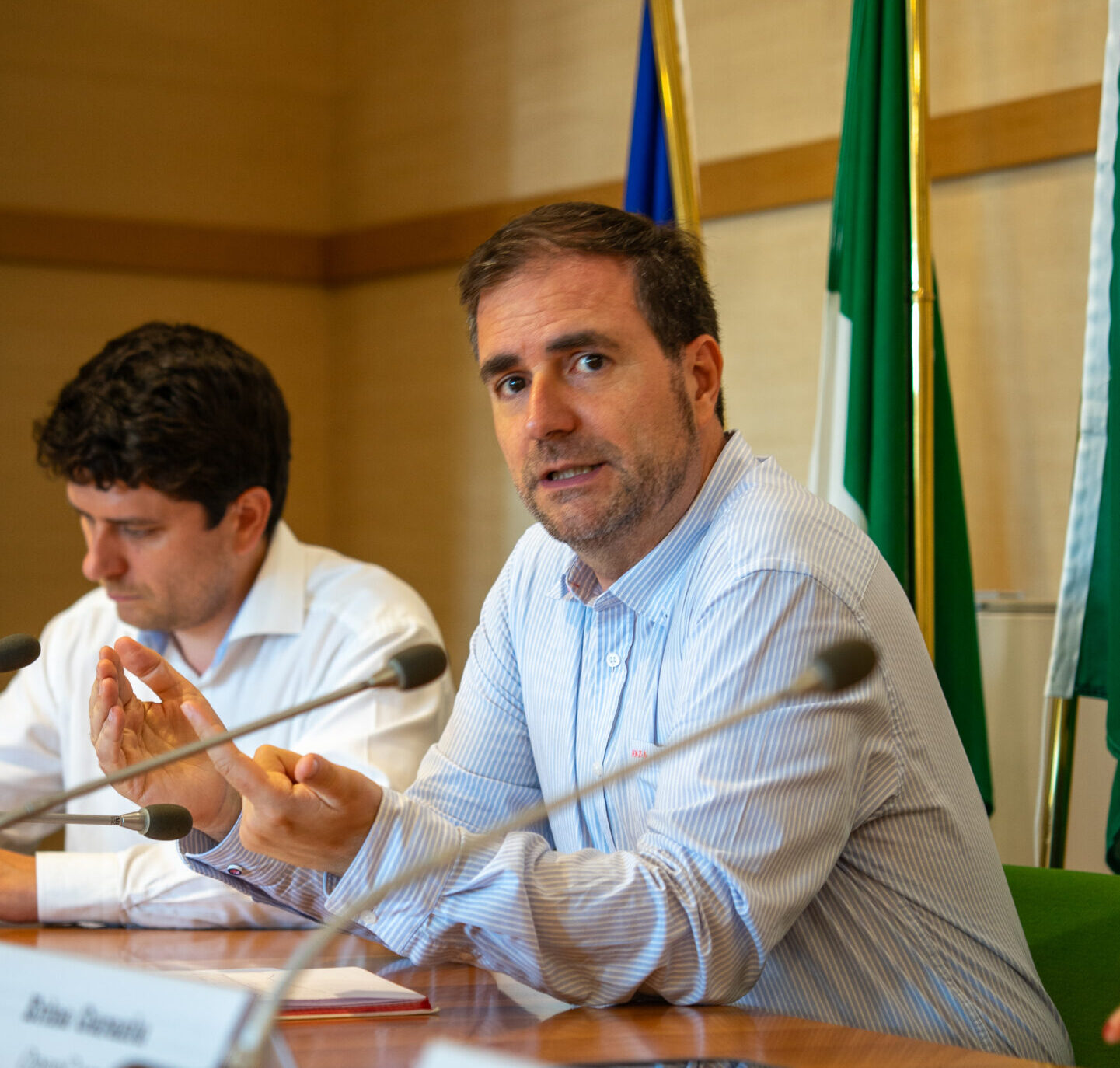
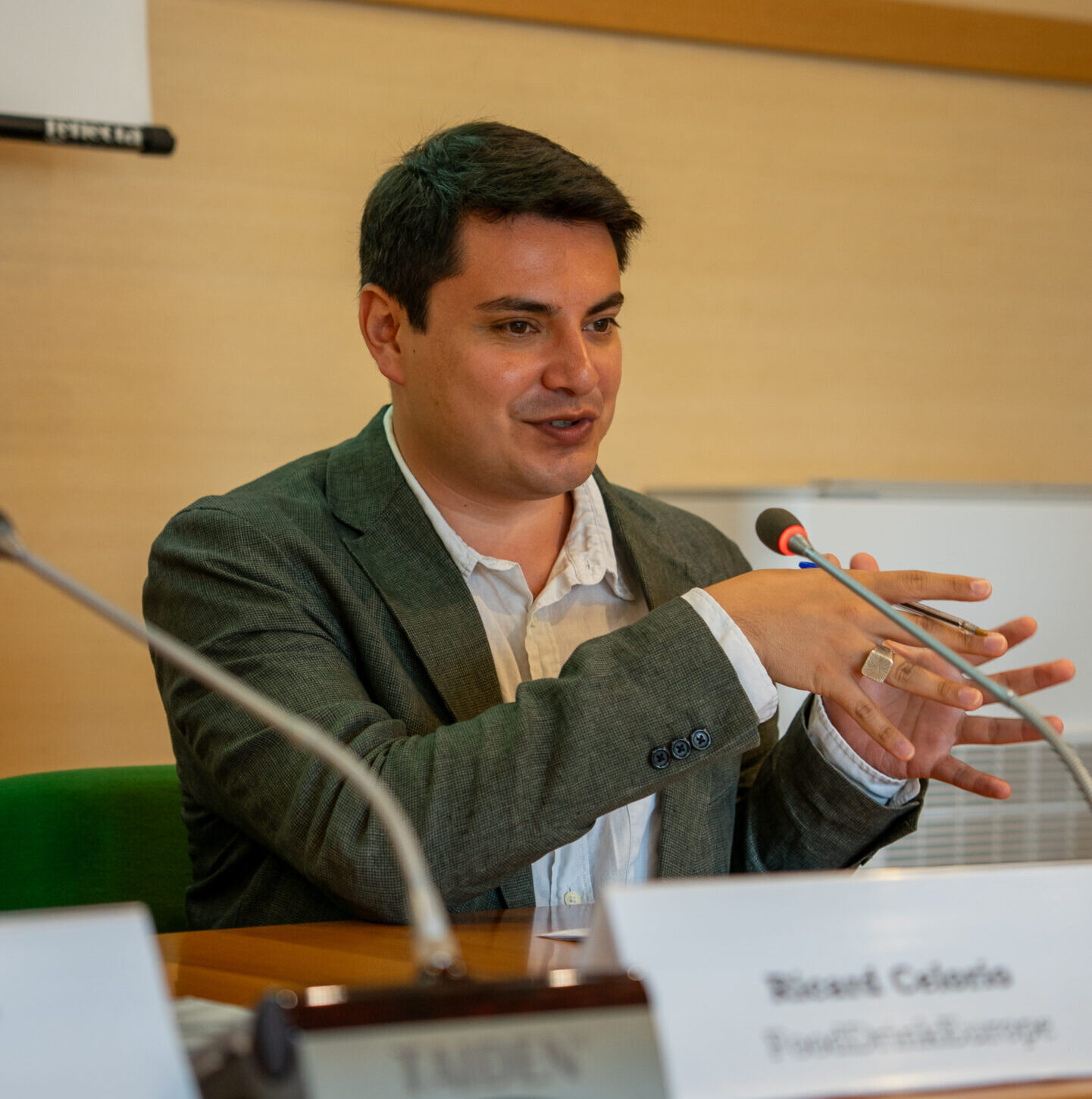
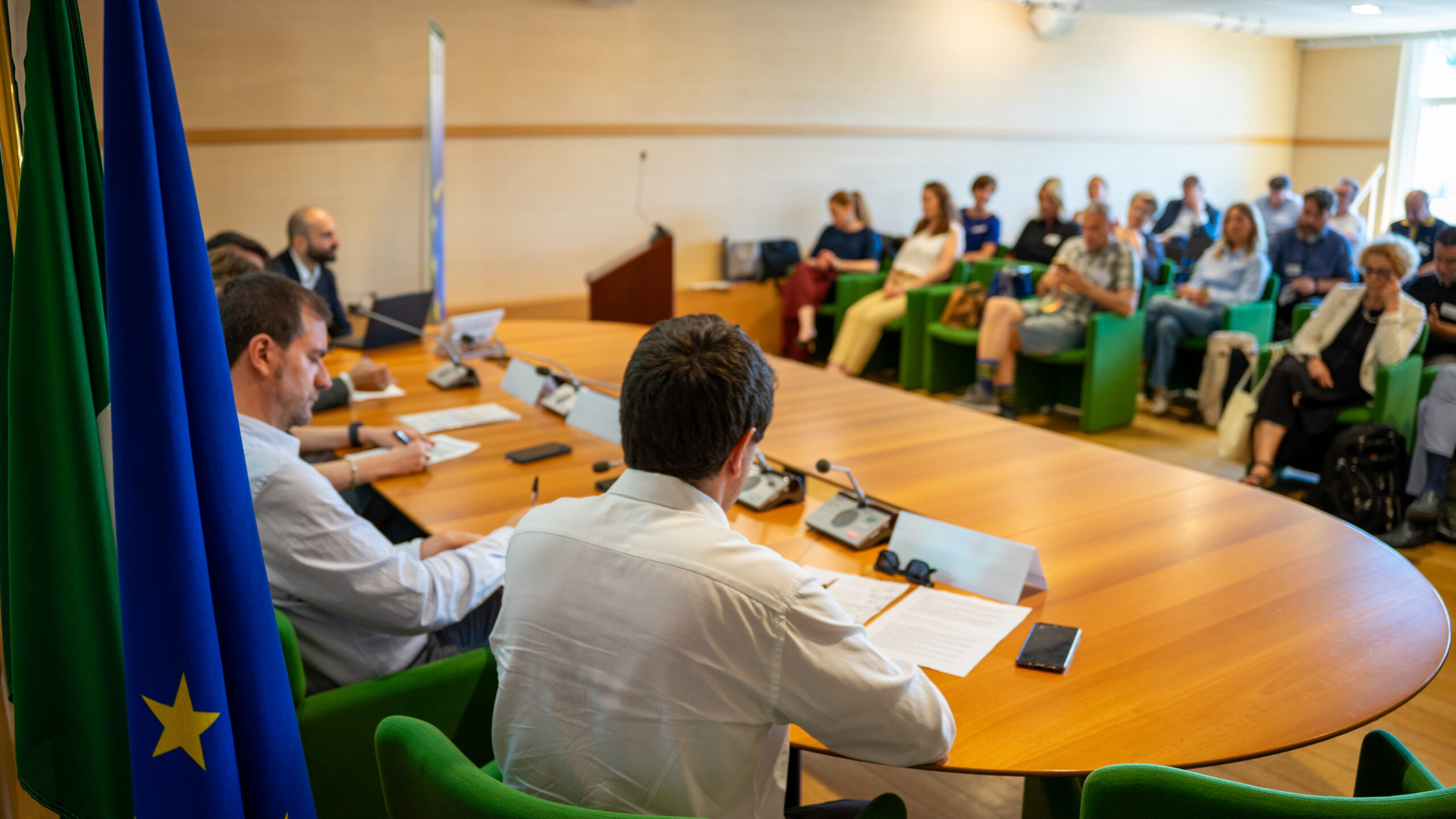
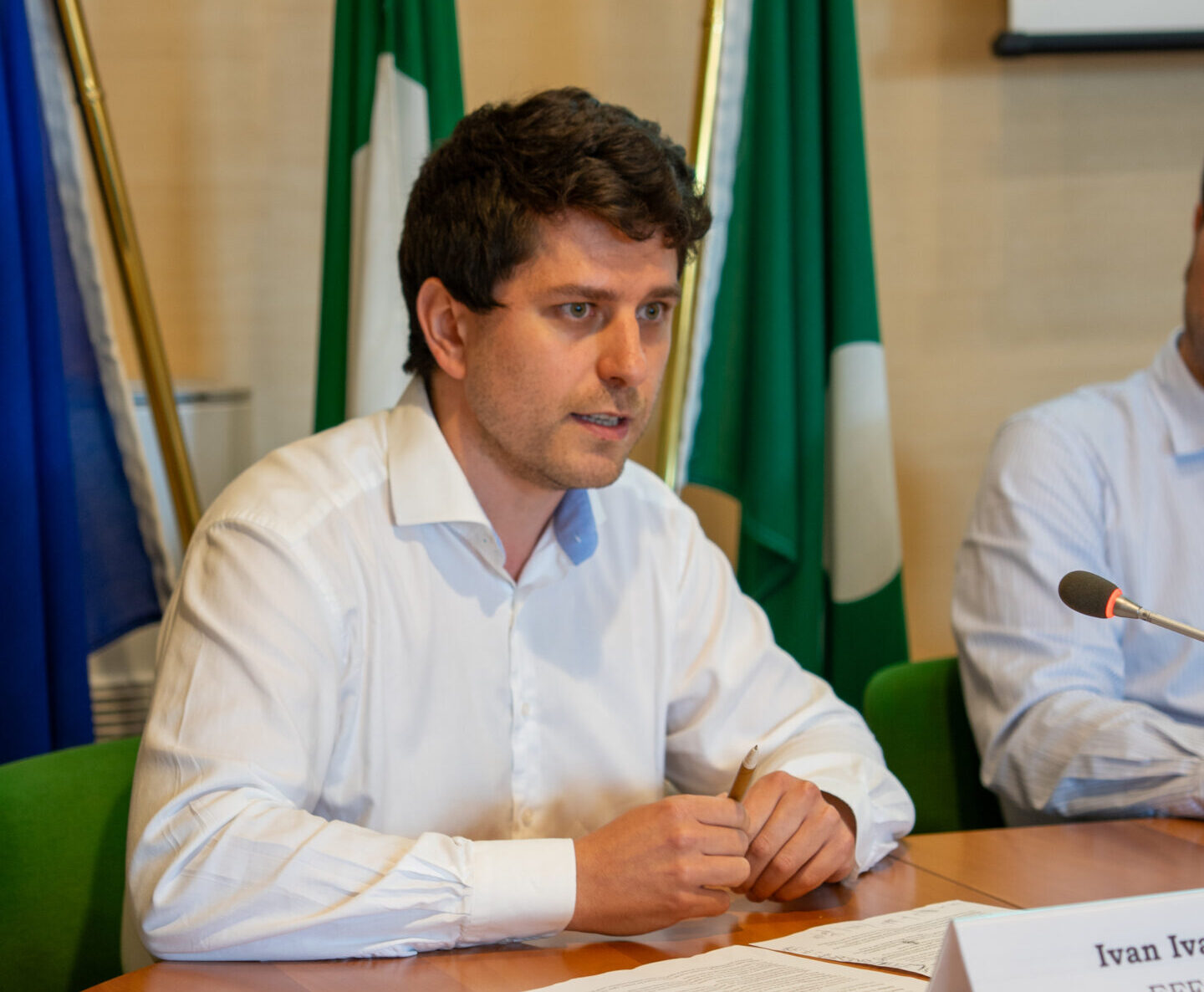
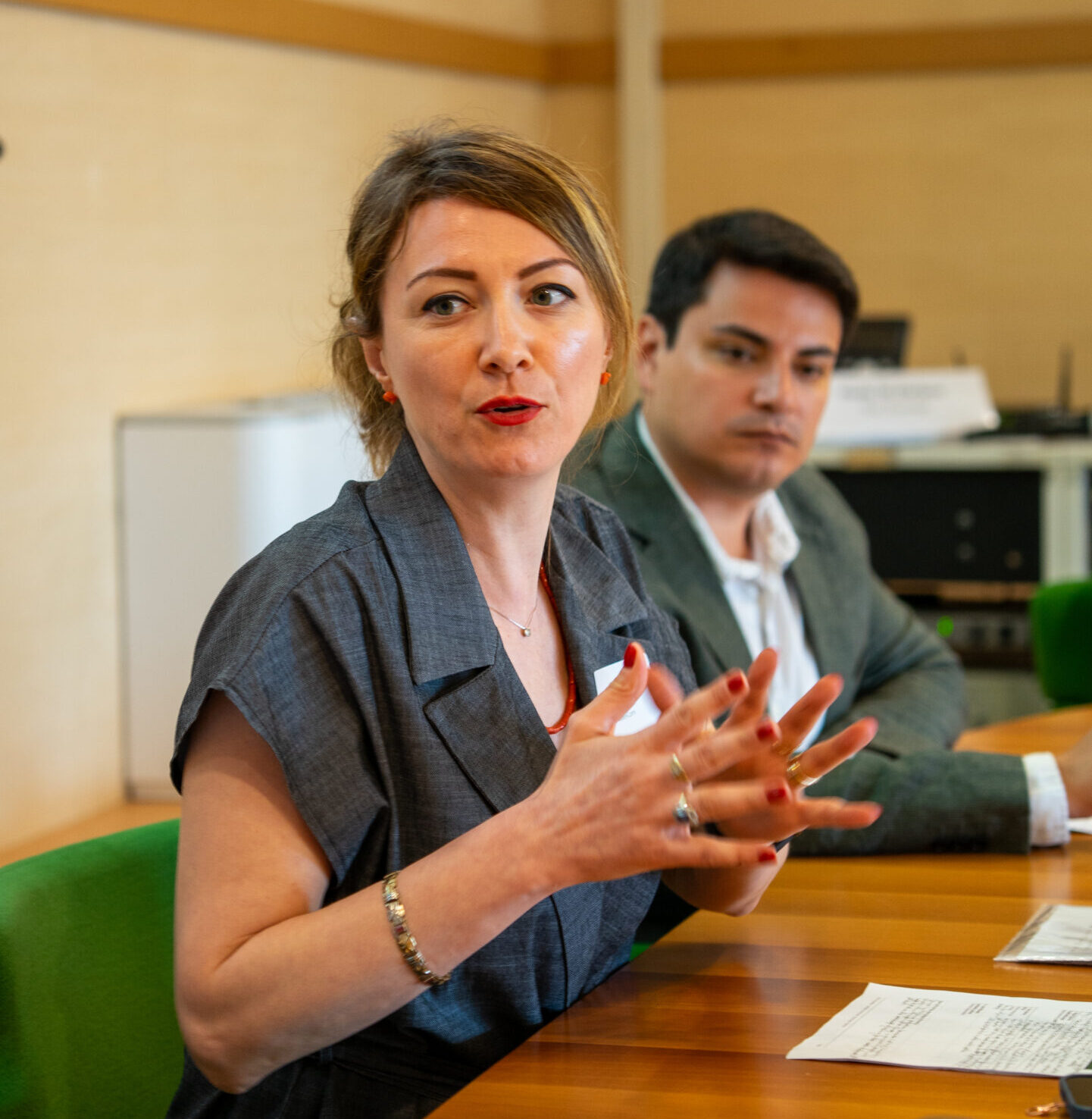
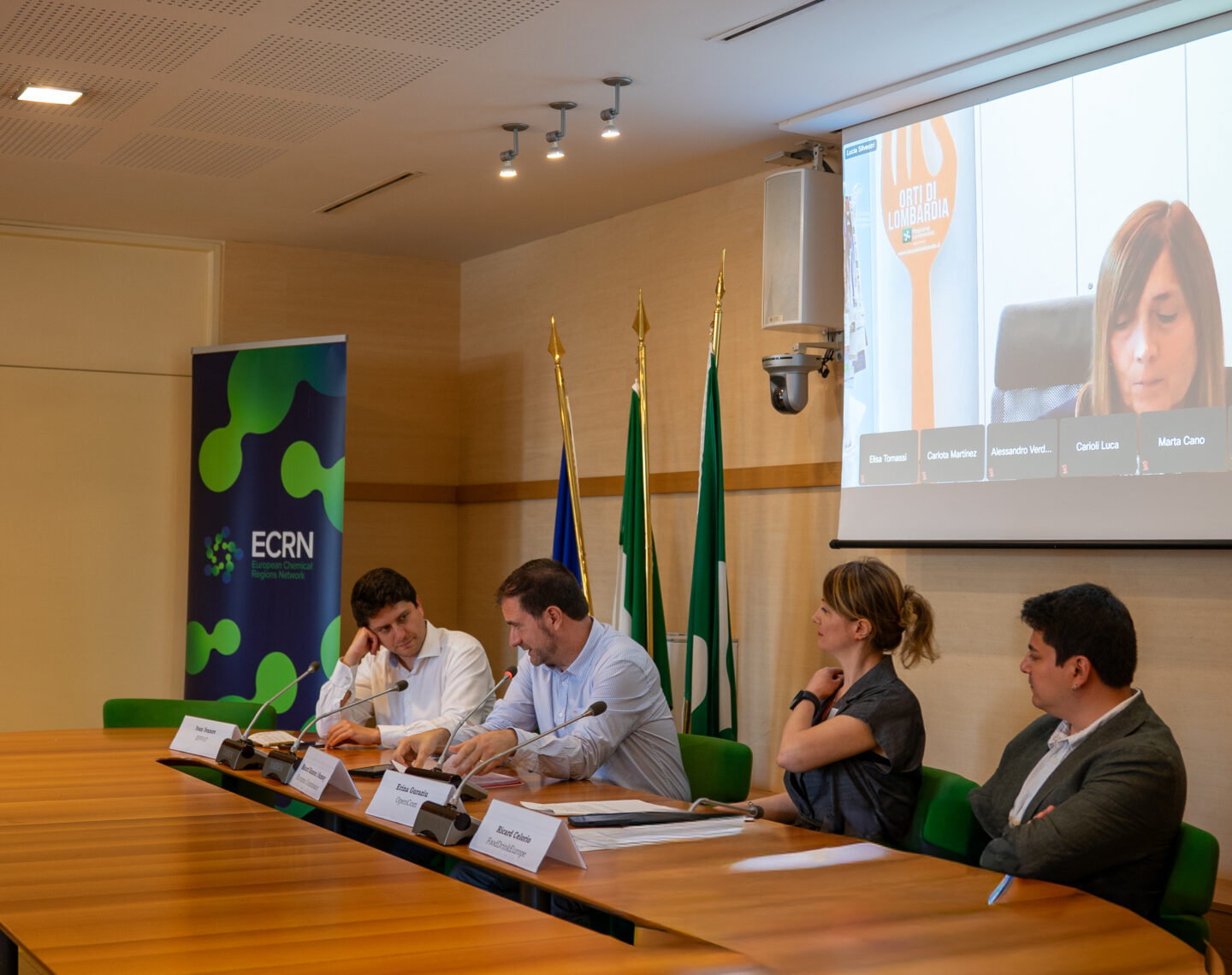
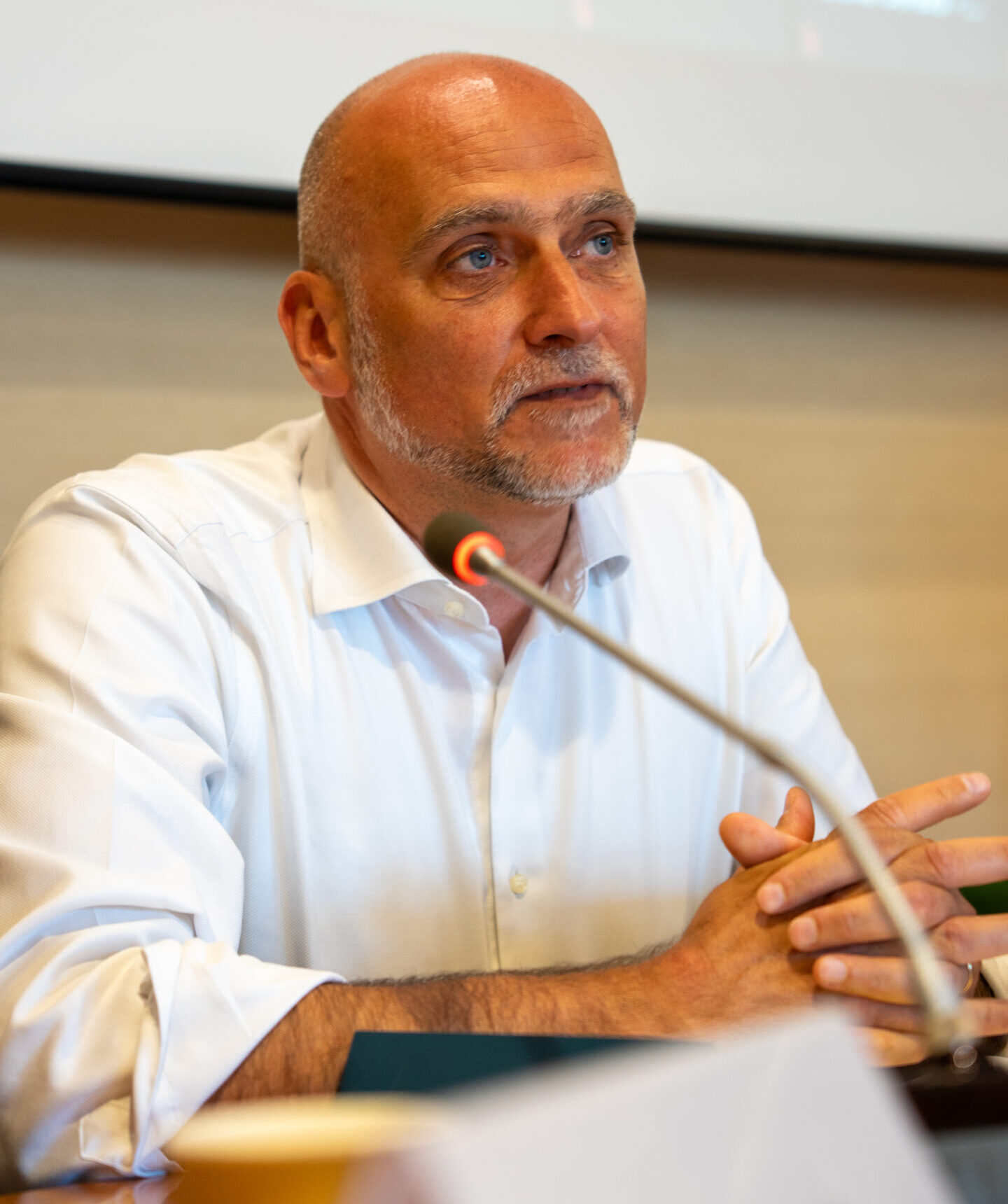
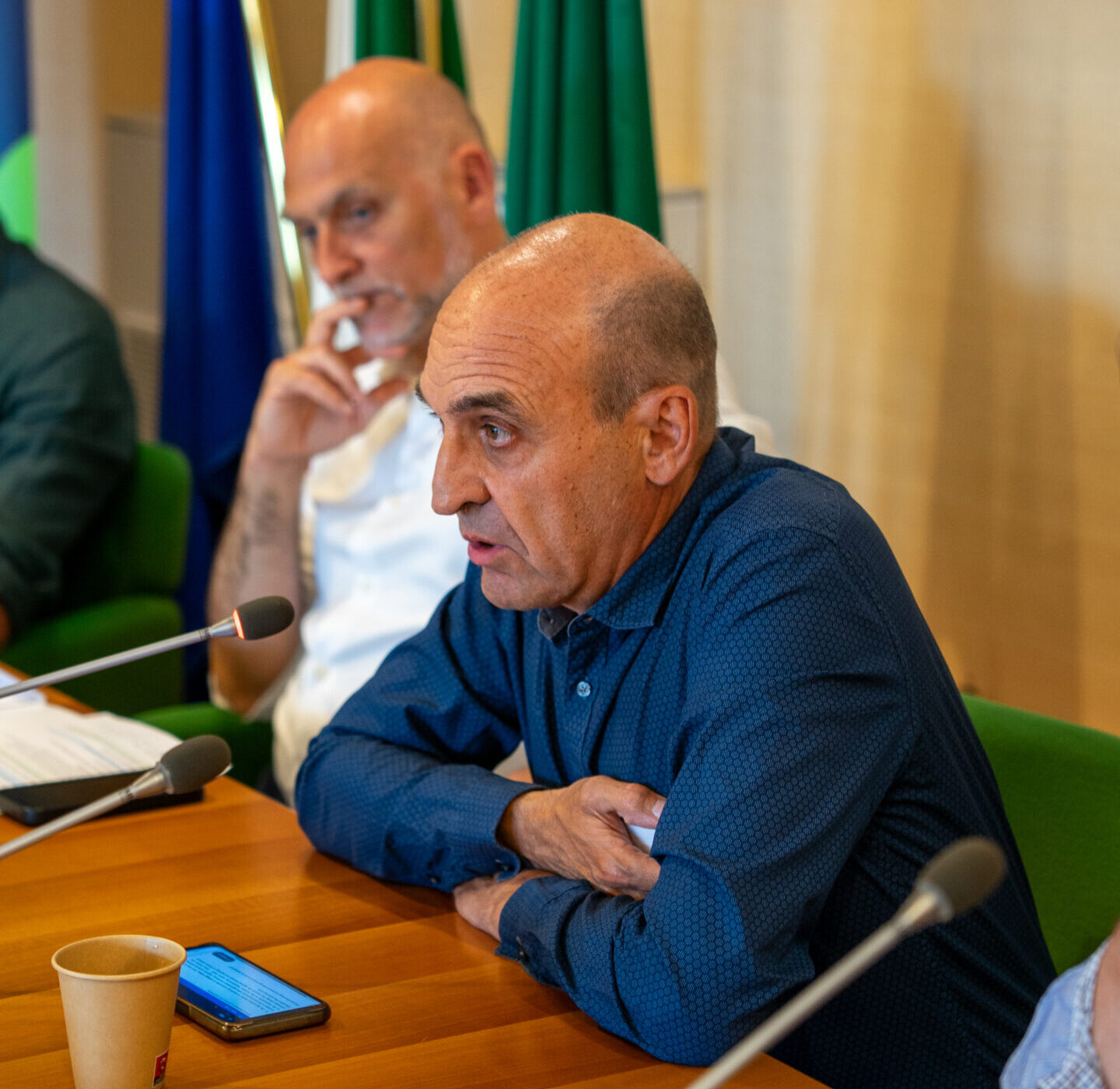
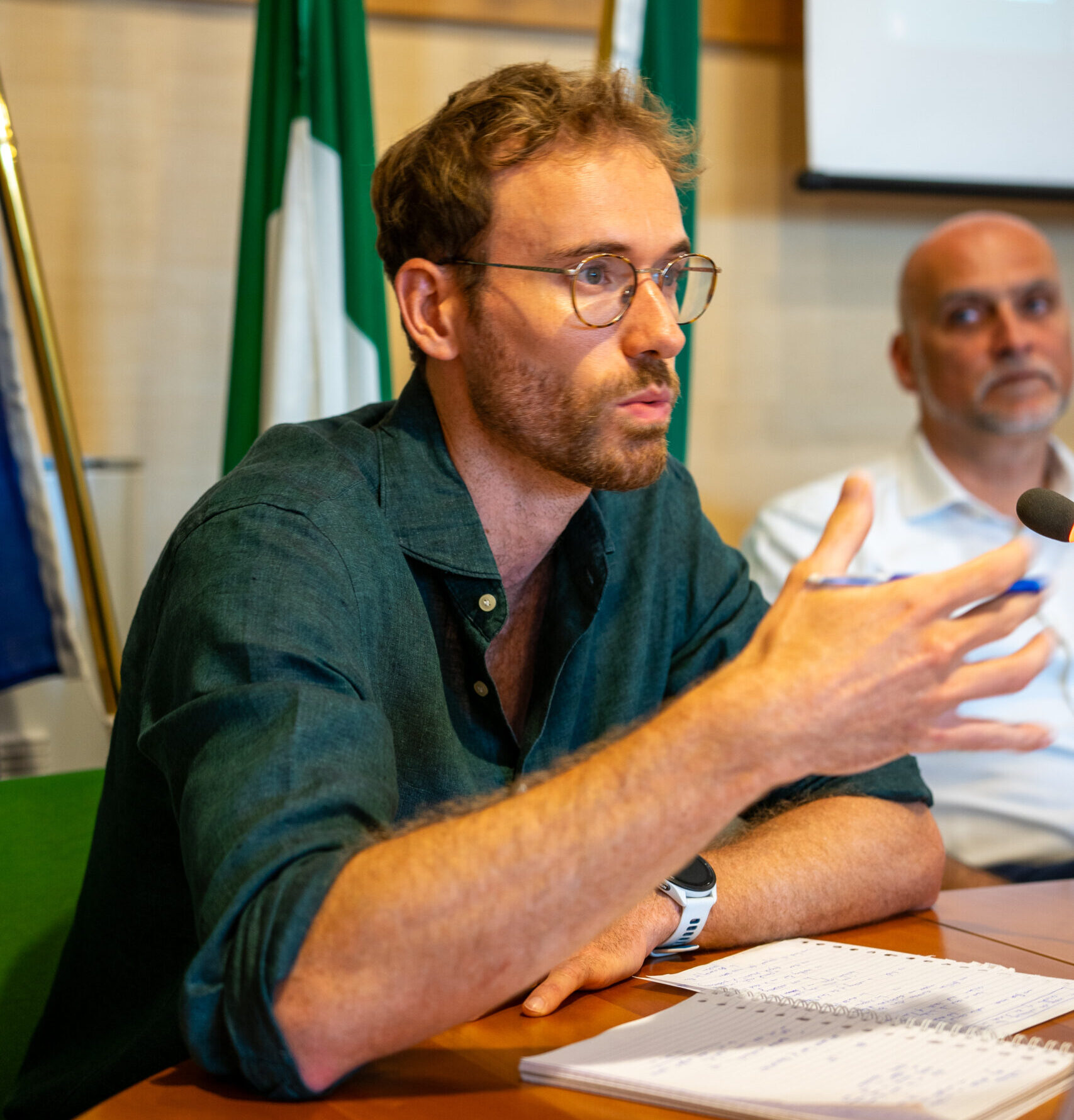
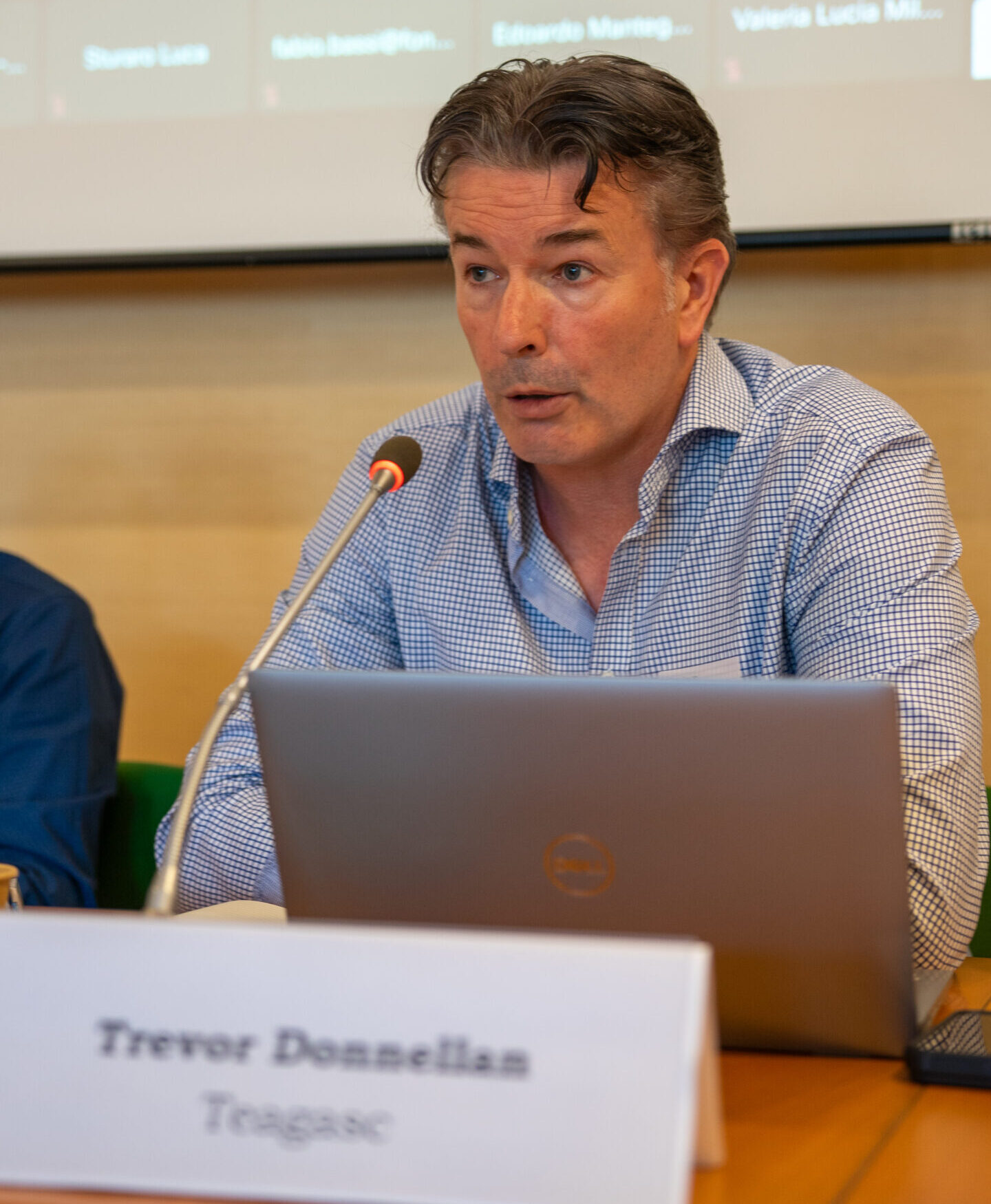
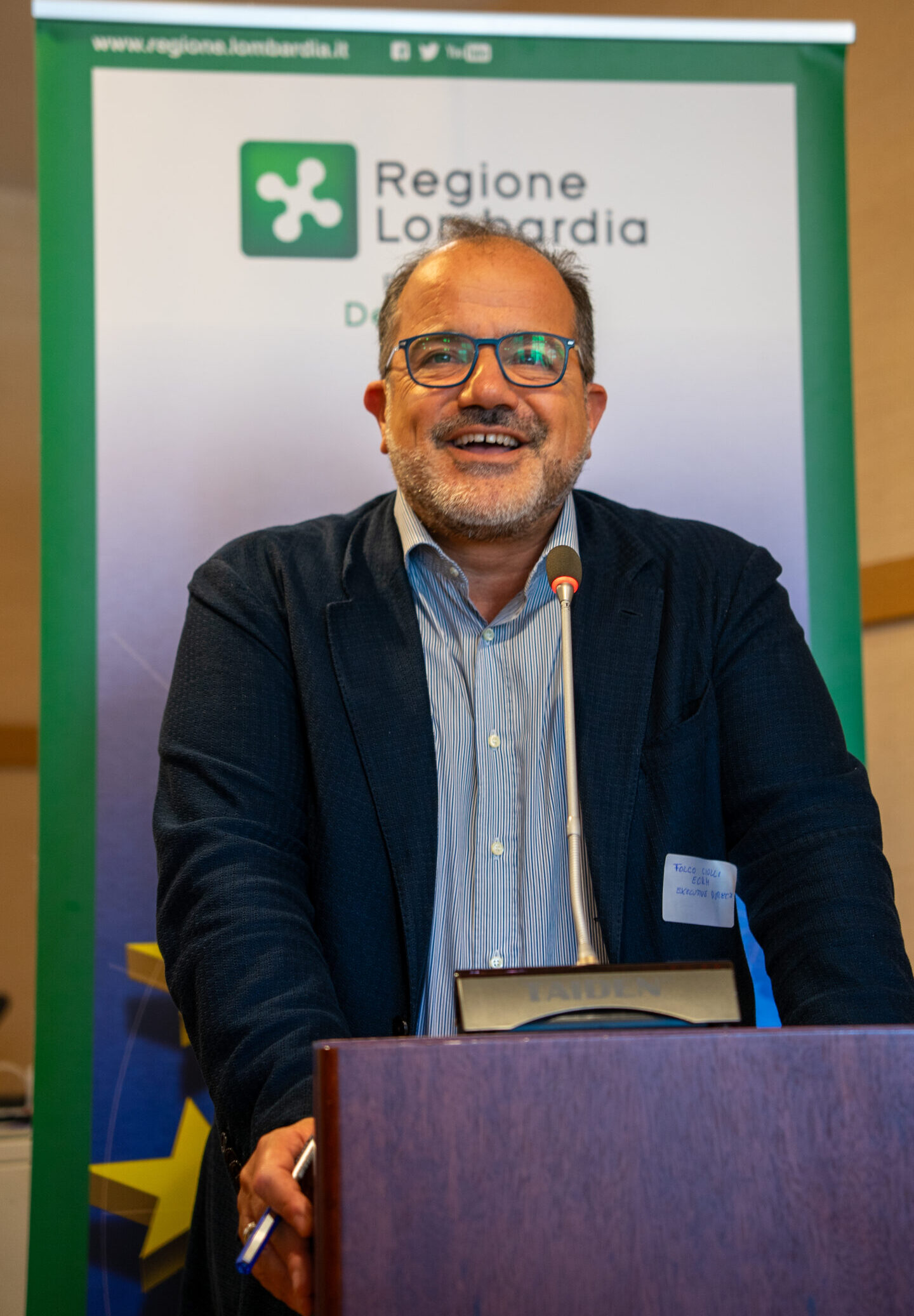
The afternoon session shifted the focus towards the long-term competitiveness of the European agri-food sector. Discussions examined how circular economy principles can strengthen Europe’s strategic autonomy while improving productivity, resource efficiency and environmental performance. Participants highlighted the importance of creating the right policy and investment conditions to enable farmers and businesses to adopt innovative solutions, accelerate digitalisation, improve water and resource management and transform agricultural residues into valuable secondary resources.
A common conclusion across both discussions was that sustainability and competitiveness should not be viewed as competing objectives. Instead, innovation, circularity and skills development must advance together if Europe is to maintain a resilient agricultural sector capable of responding to climate challenges, geopolitical uncertainty and changing consumer expectations.
The event concluded by showcasing the project’s immersive virtual reality training experience, demonstrating how innovative educational technologies can complement traditional vocational education and provide practical learning opportunities for future professionals.
As the ACE-EX project reaches its conclusion, its legacy extends well beyond the partnership itself. The training materials, methodologies and policy recommendations developed throughout the project provide a valuable foundation for vocational education providers, policymakers, regional authorities and industry stakeholders working to equip Europe’s workforce with the skills needed for the green and digital transition.